Tinkering
Random makings.
Gba
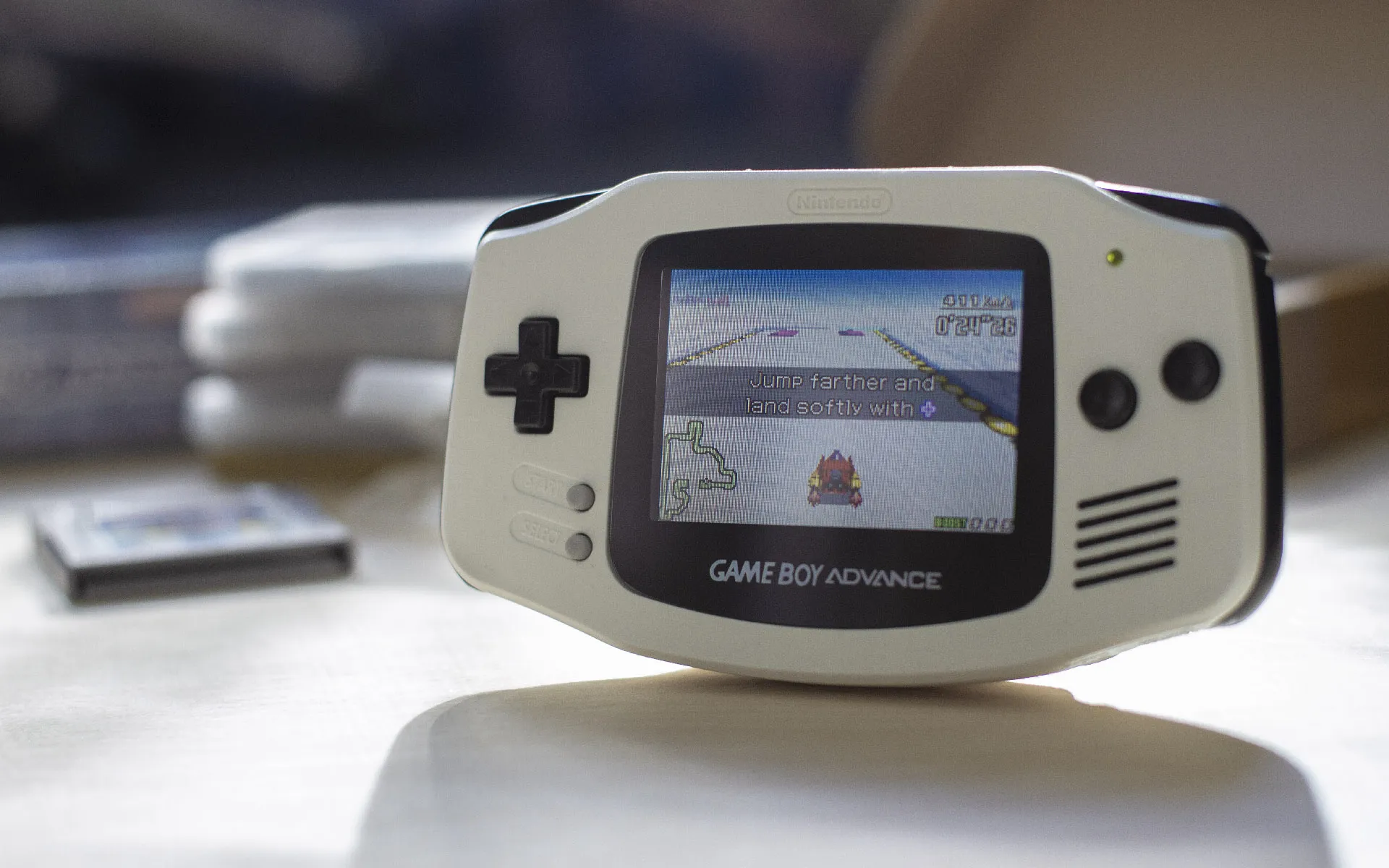
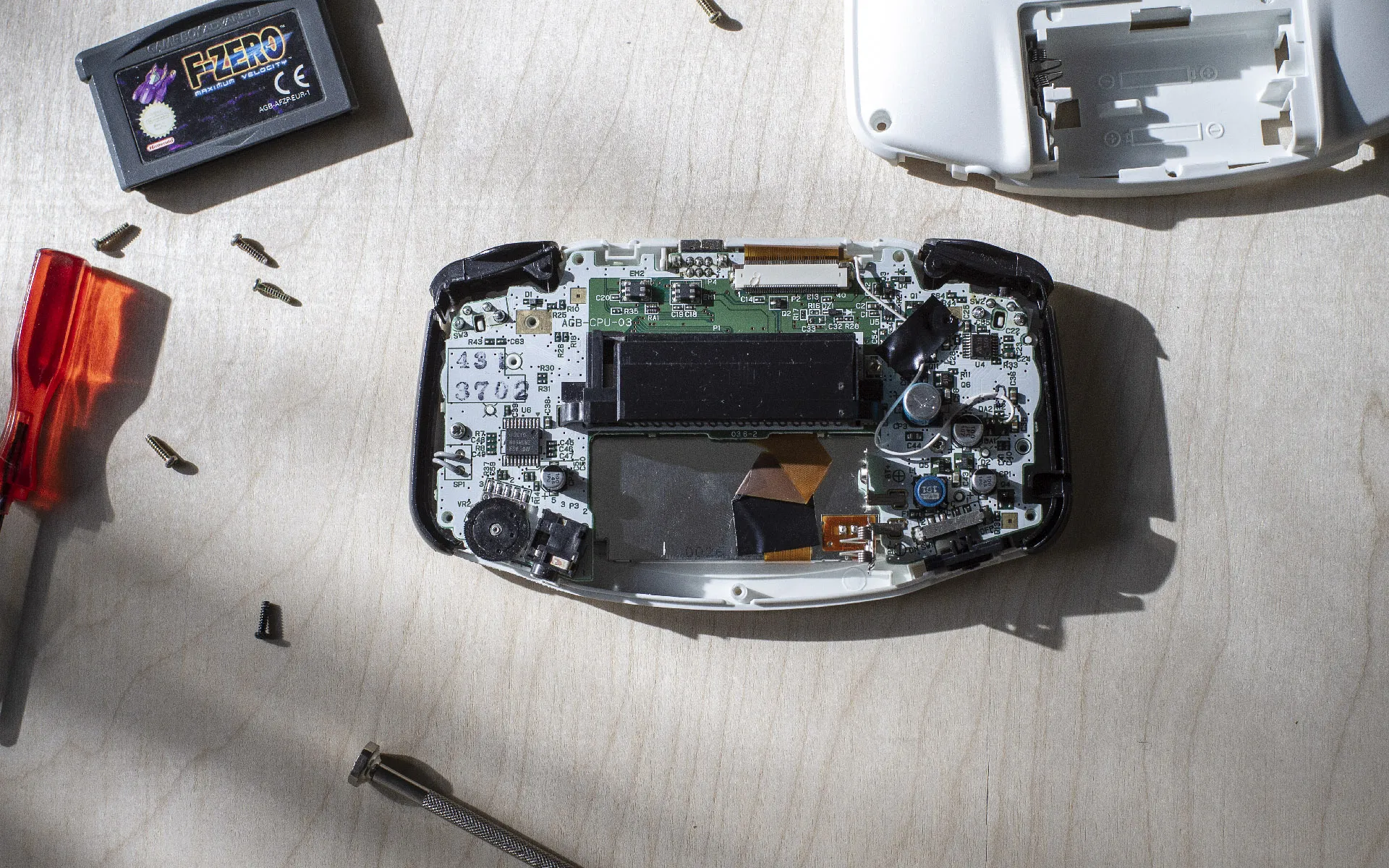
Before the release of Gameboy Advance SP AGS-101 in 2015, all previous gameboy models had no screen backlight. I've spent countless hours playing Link to the Past and F-Zero under poorly lit conditions in my teenage years.
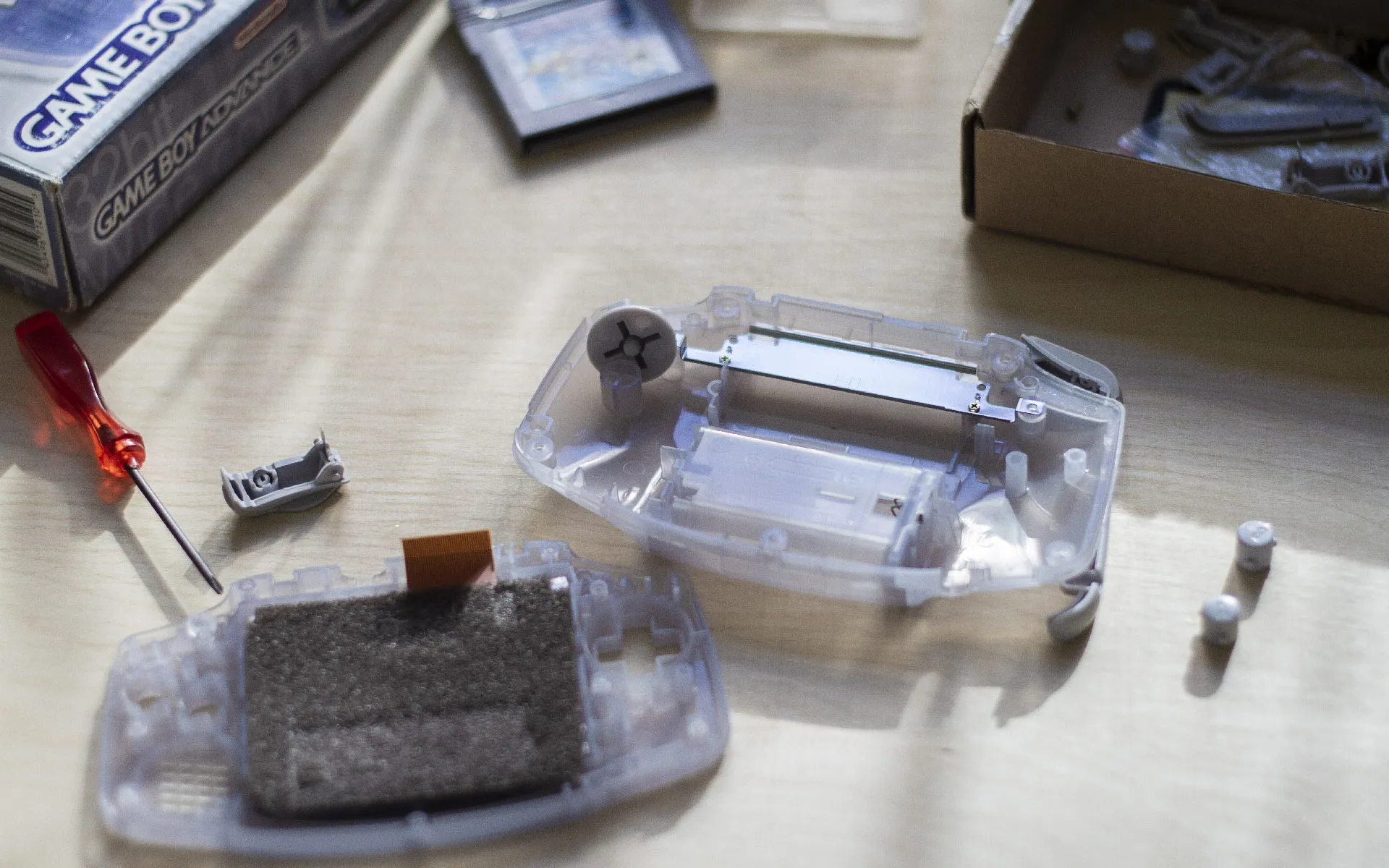
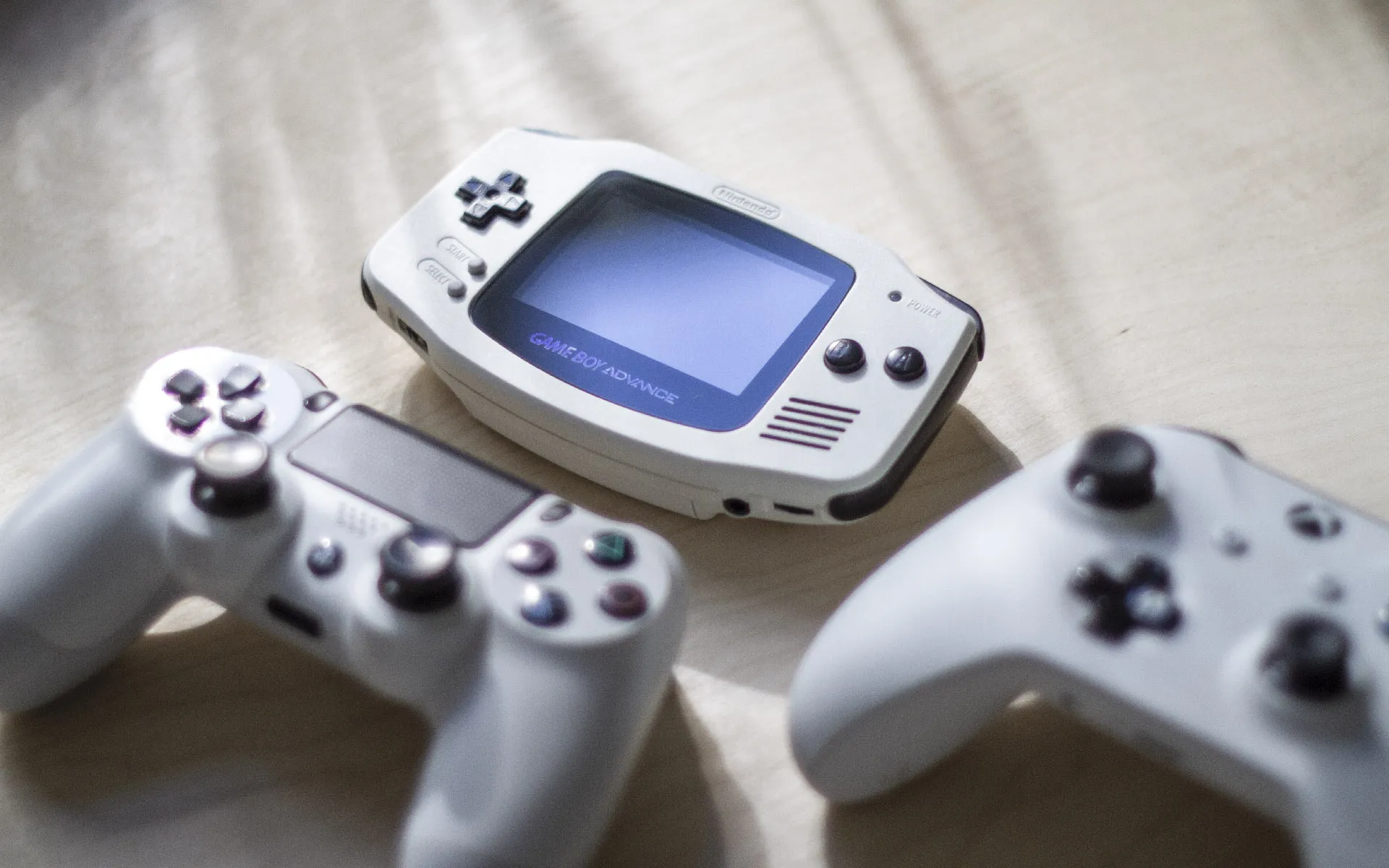
I've had this gameboy since I was 15 and I decided to give it a facelift with a custom aftermarket shell, glass screen cover and a backlit screen it deserved from the very beginning.
The backlit screens used to be rare and had to be harvested from a specific model of a GBSP, but now freely available from China. Thanks to this modding guide by gaggi GBA's motherboard can display a vivid and clear image.
Sheffield Knife
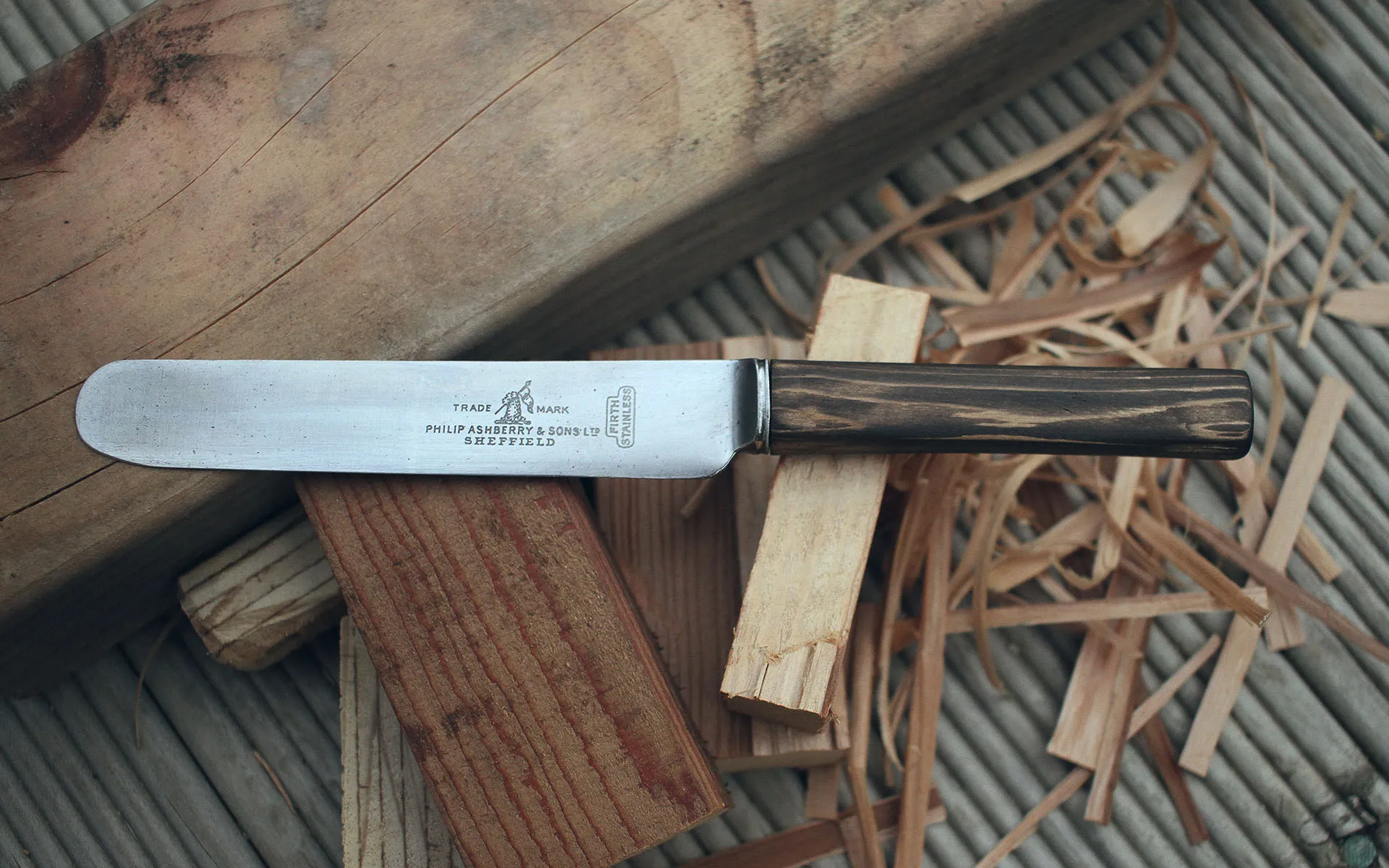
I picked up an early 1900’s English butter knife from an op shop, which had a bone handle that was completely burnt. Irefurbished it with a new handle as a small DIY project.
The handle was completely scorched, but the steel was great quality and in good condition for its age. Initially I wanted to make the handle from laminated structural timber, to have the layers show through once sanded, butit was too tough to carve with a knife, and I decided to use softer wood from a window trim.
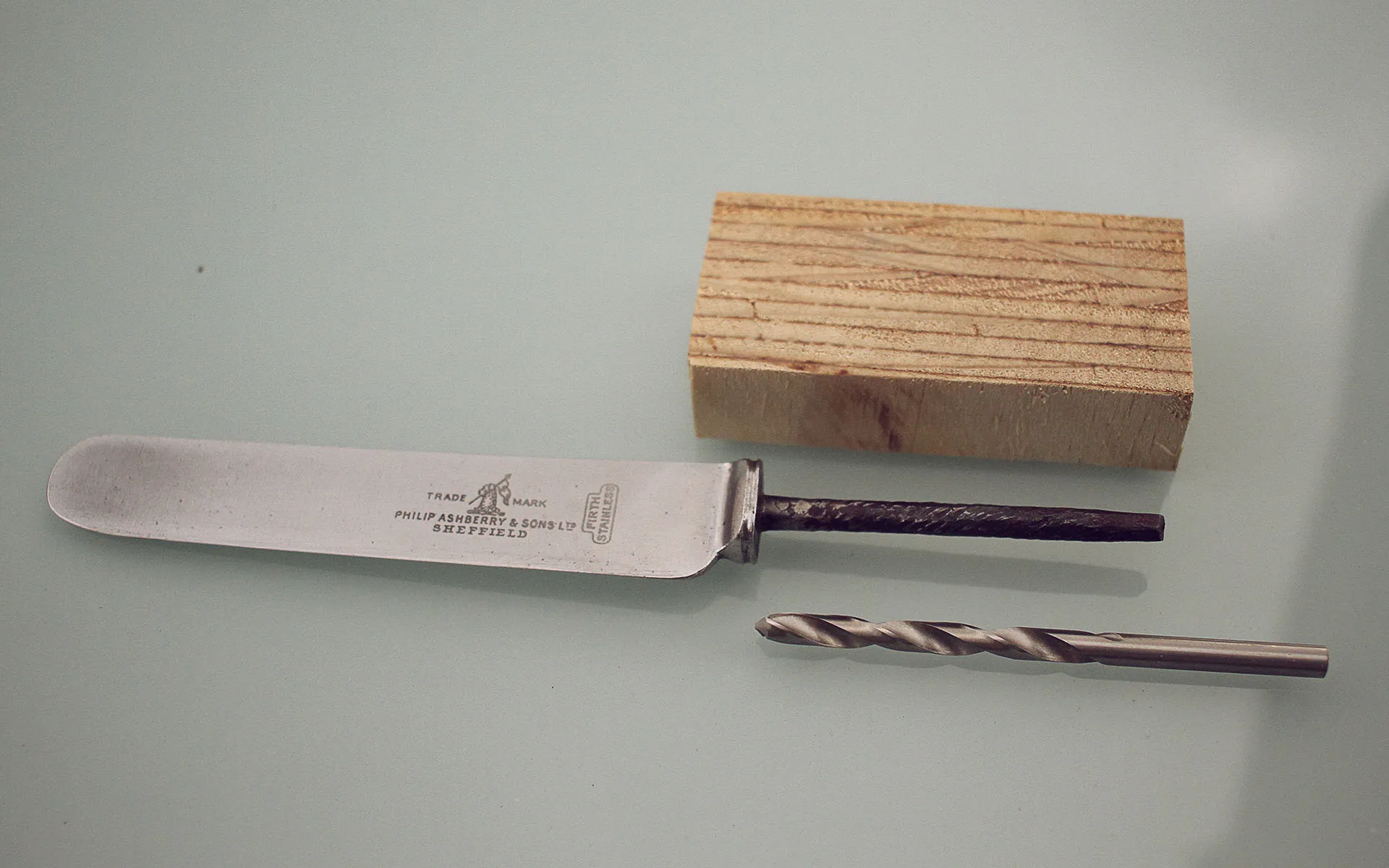
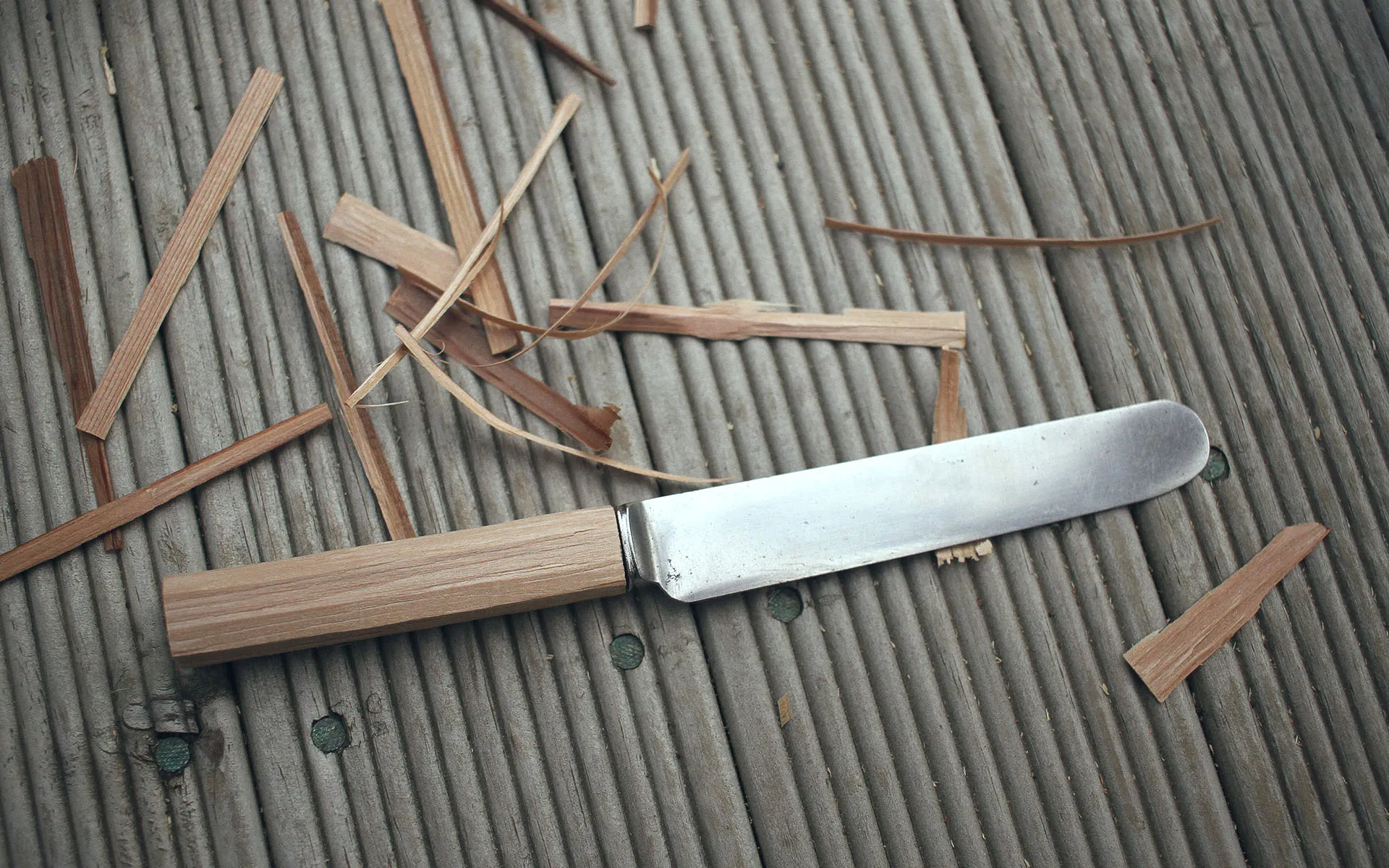
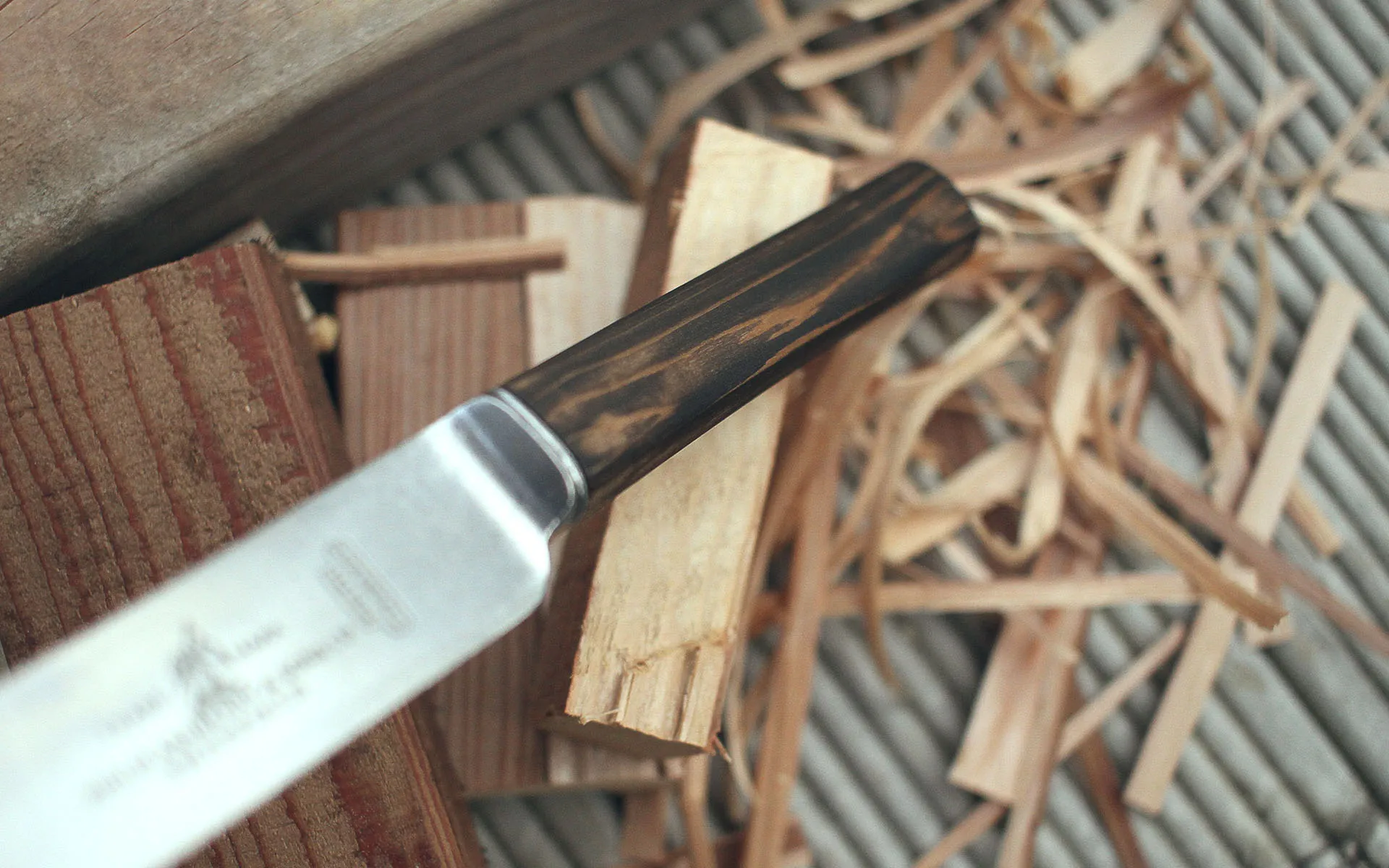
I don’t really know what type of wood it was, but it’s light and very soft. After some drilling, shaving and sanding, thehandle was pleasant to hold. I applied a coat of vinegar and iron rust mix to blacken the handle, with a top coat of linseed oil to prevent mold andgive it some water resistance.
Pocket Watch
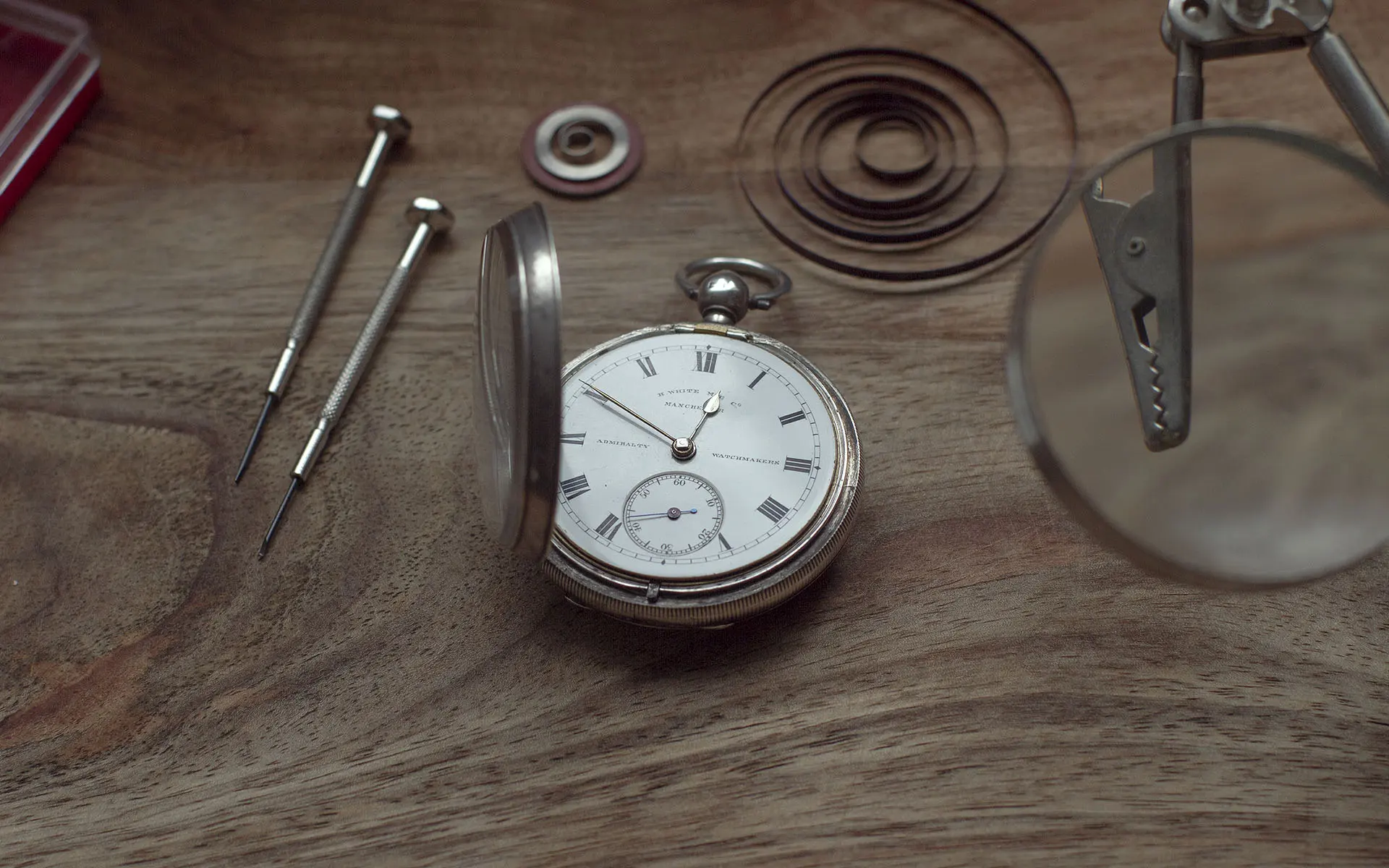
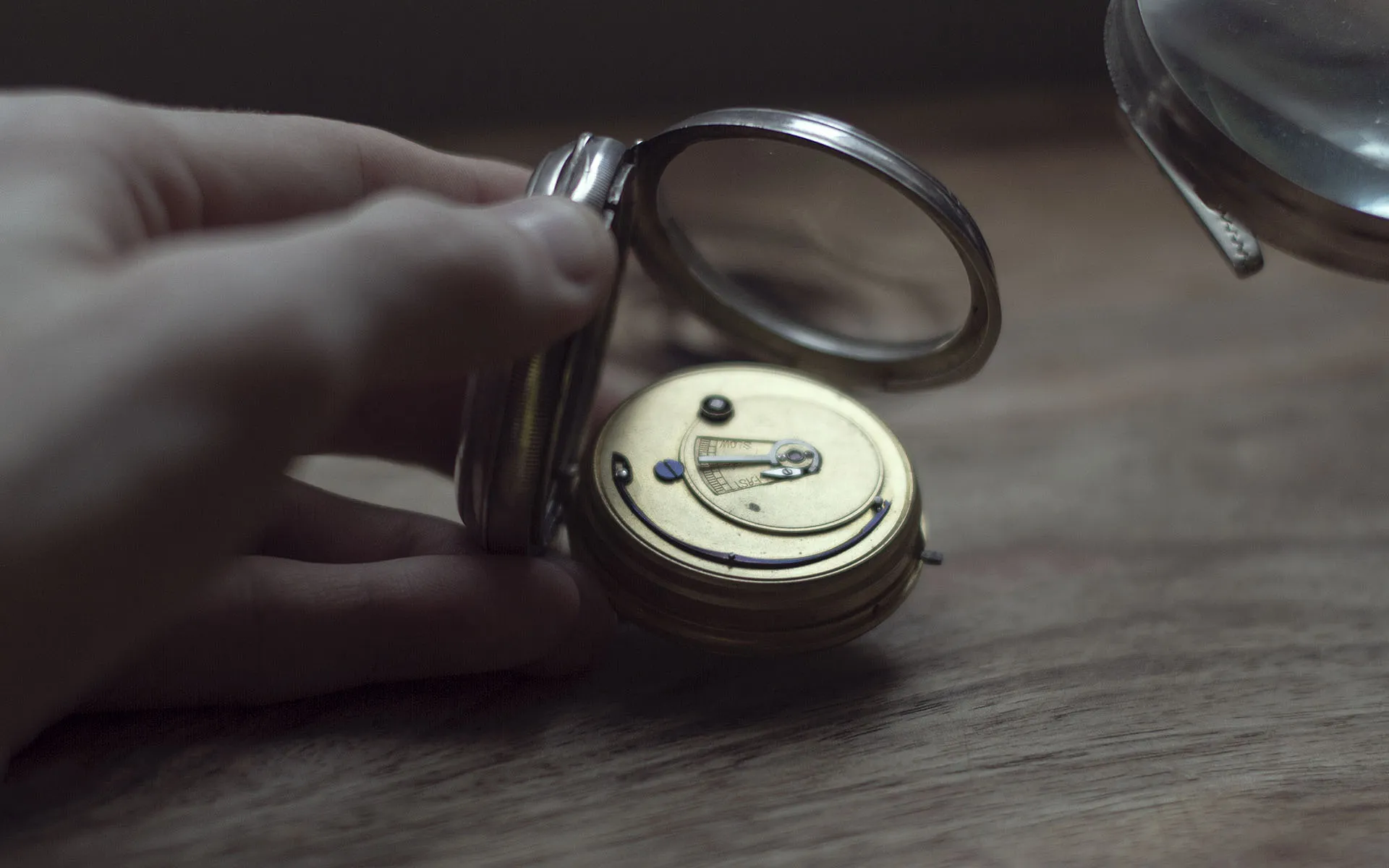
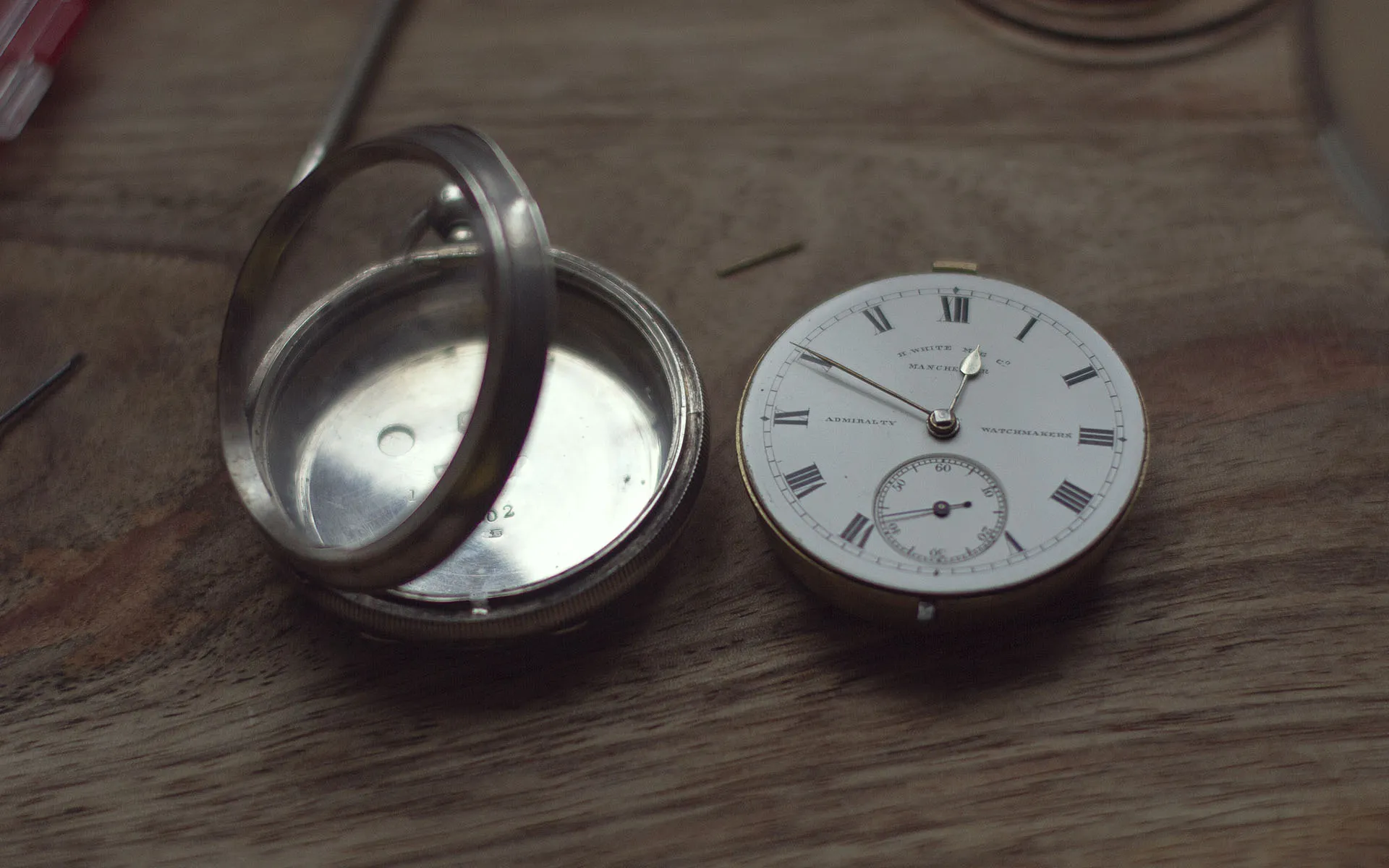
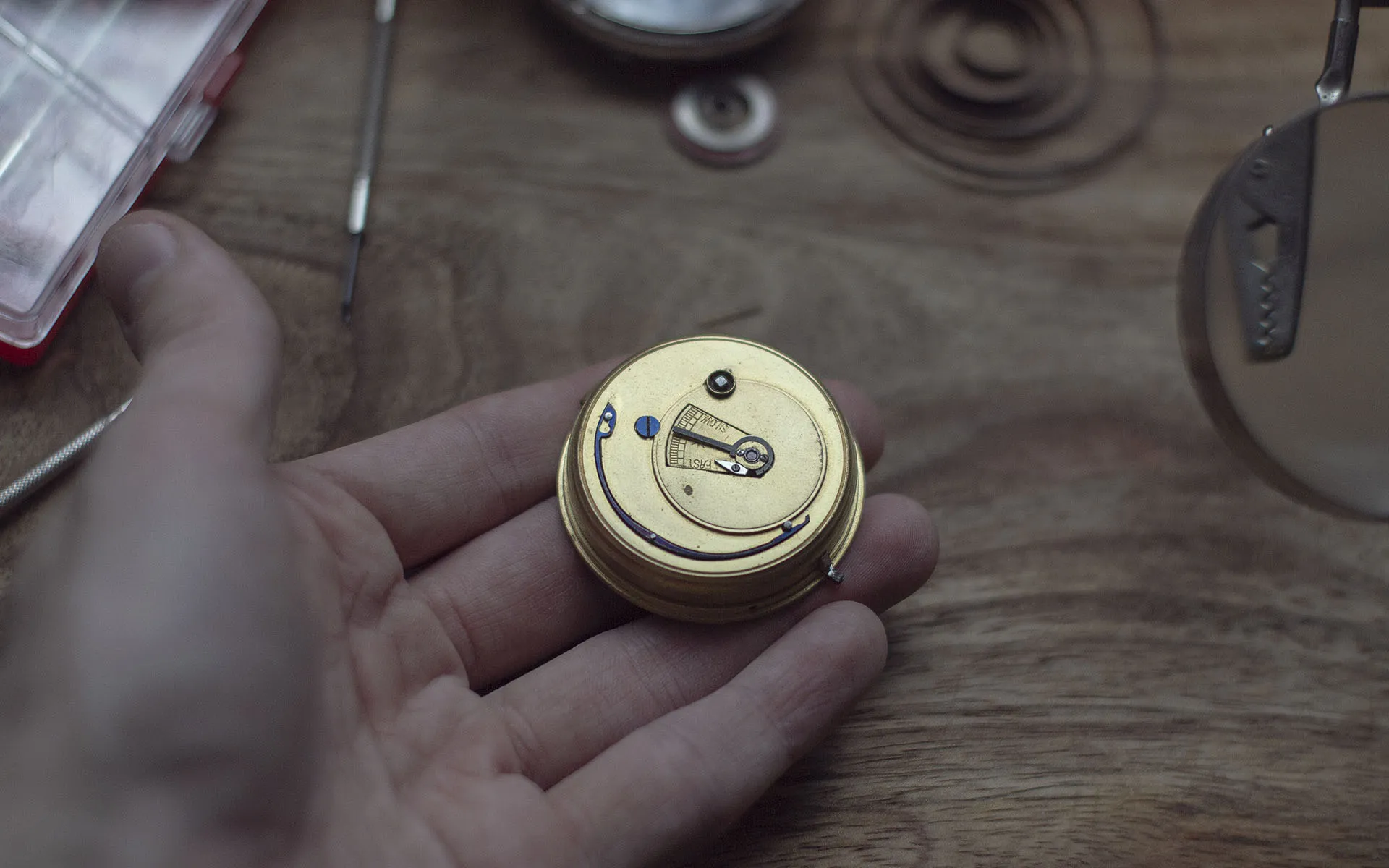
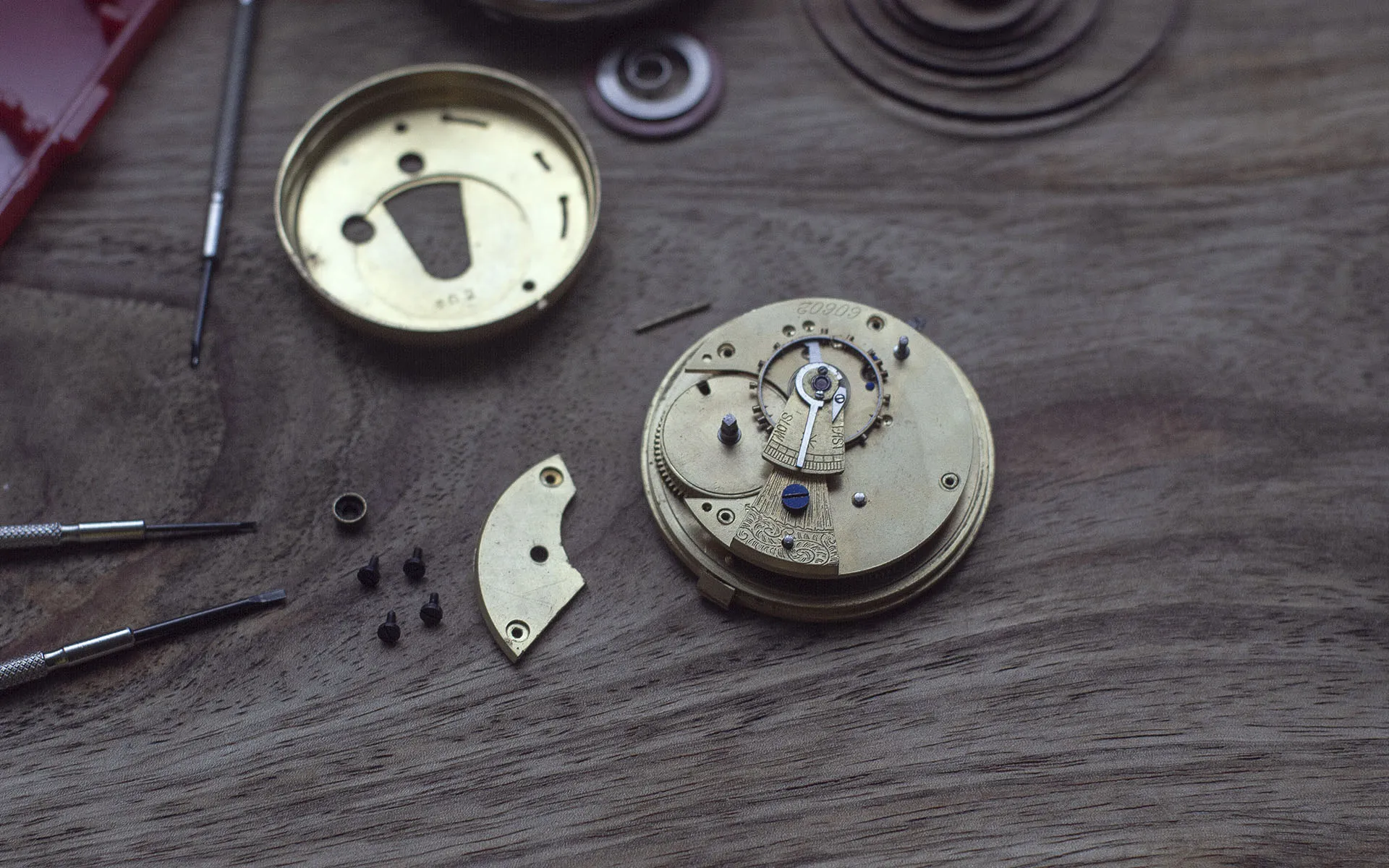
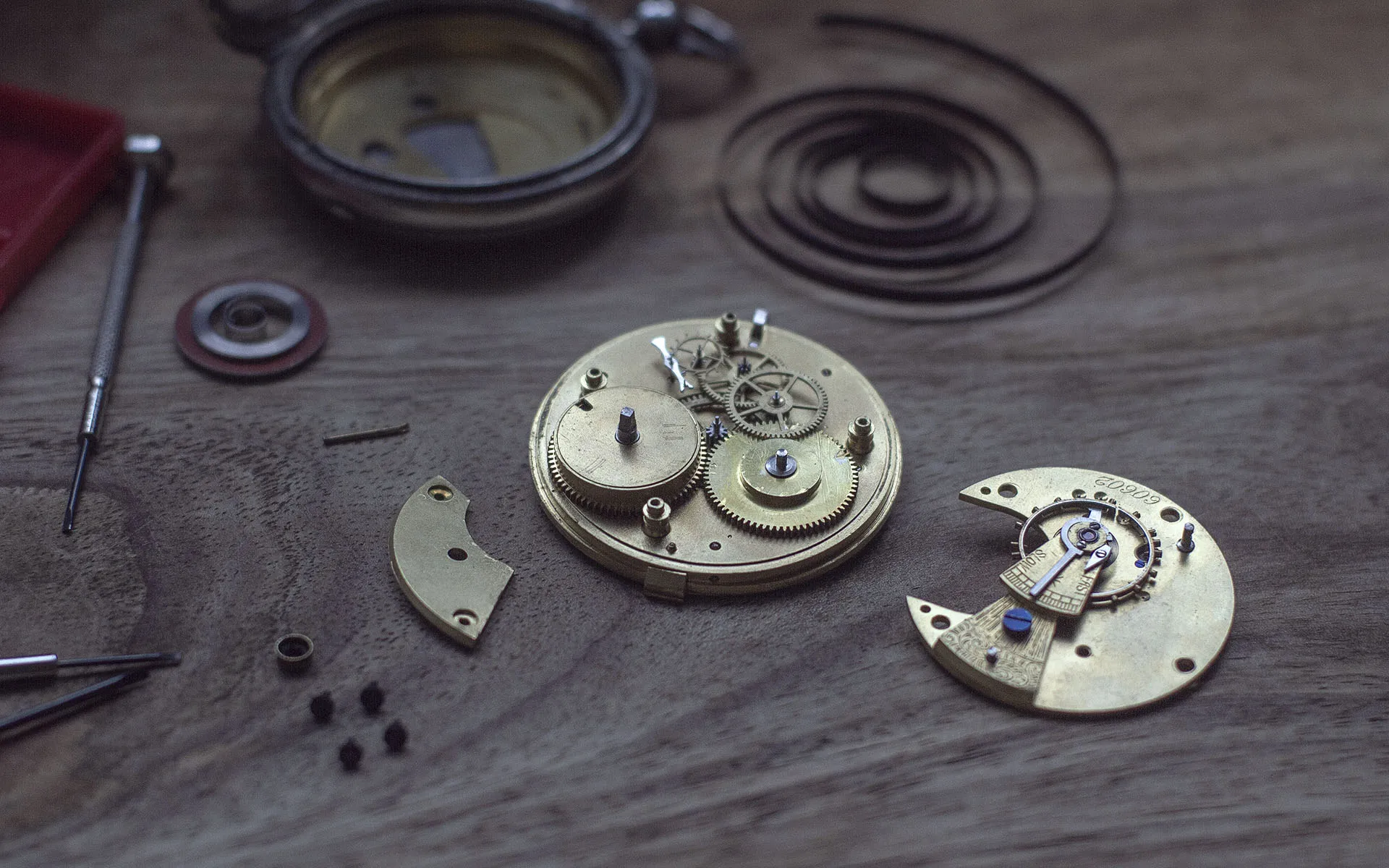
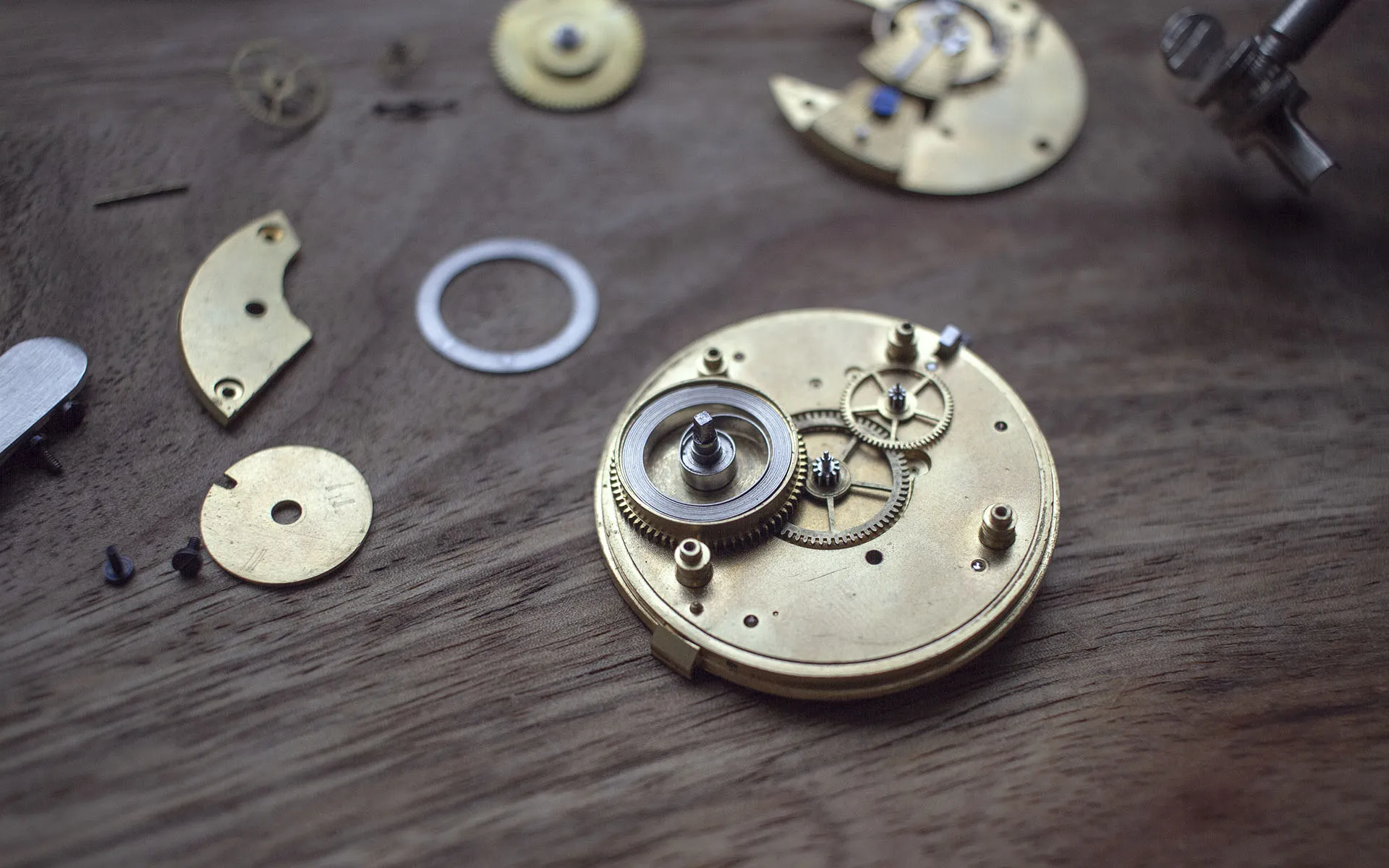
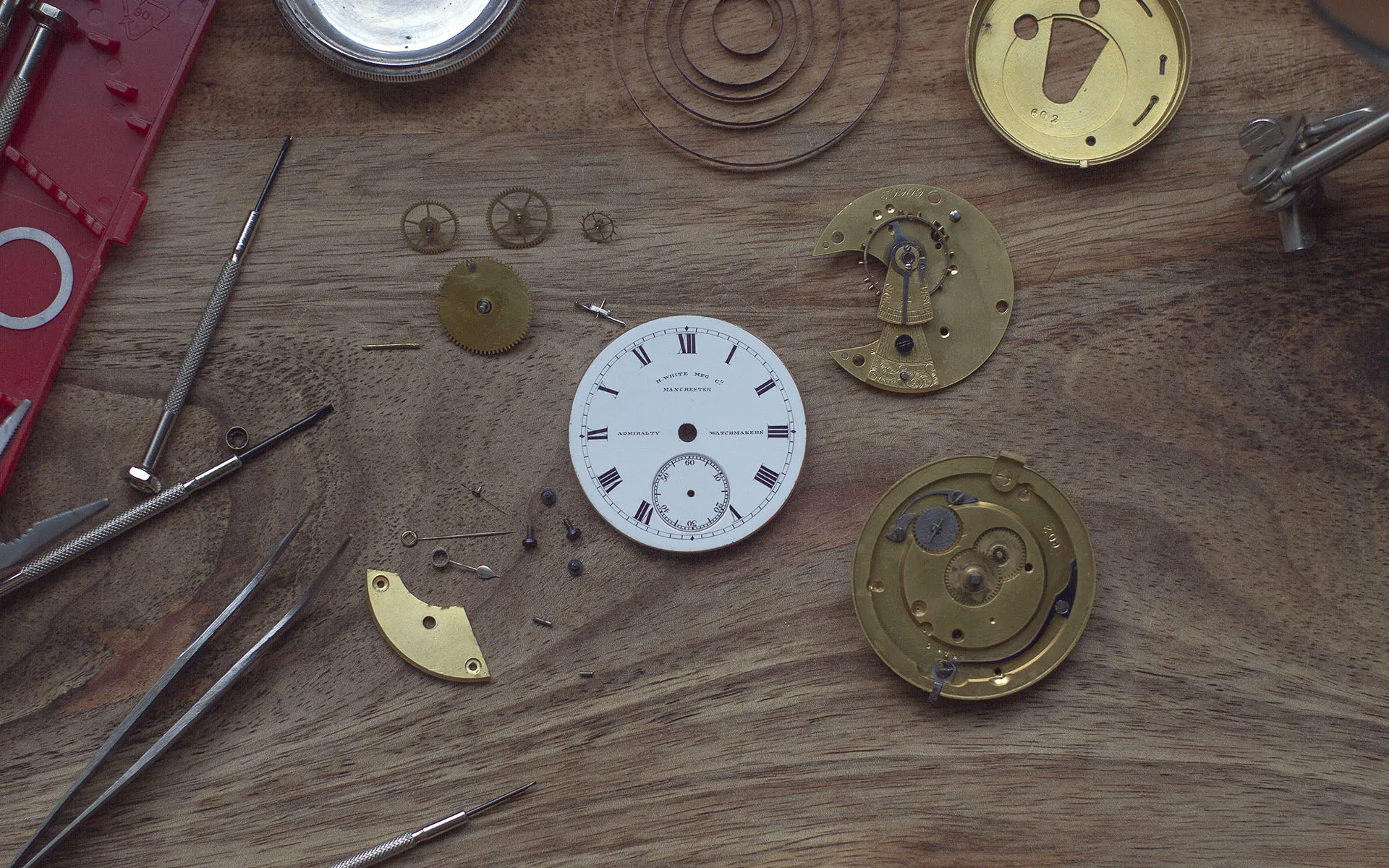
Breathing life into an old British pocket watch. Picked up at a Rotorua antique store, it came with a broken spring. A watch is a beautiful machine. It's amazing that centuries ago we figured out how to release spring tension in measured intervals that can be synced up with rotation of the Earth.
This is a visual archive of the repair process.